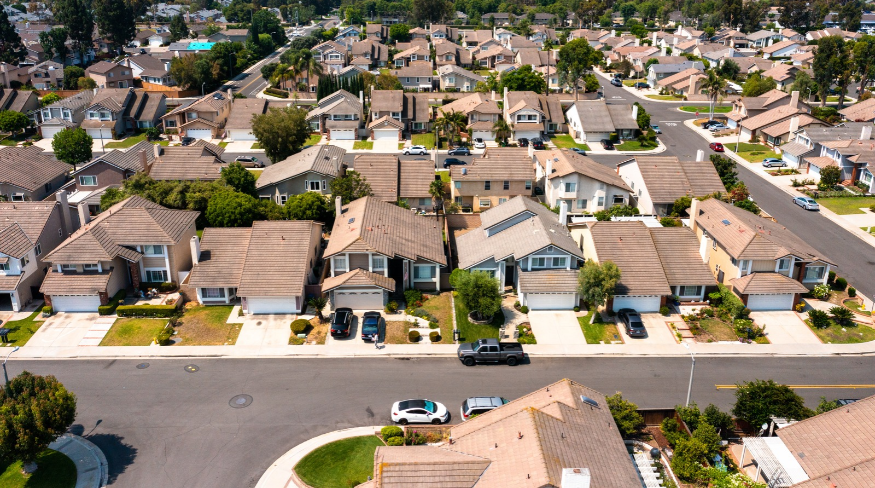
The end of the year is a good time to check in on the things that matter most, and for many families that includes their home. A 2026 state-by-state affordability ranking measured how much of a typical resident’s income it takes to afford a typical home, assuming a 20% down payment, a 30-year mortgage, and typical taxes and fees. By that measure, price tags are only part of the story, and nearly half of all states (22) require at least 35% of income for housing.
Here are the 10 at the top, ranked by the share of income needed to afford a typical home, along with each state’s median sale price.
1. California: 52.4% of income | $777,566 median sale price
2. Montana: 47.7% | $527,848
3. New York: 47.3% | $553,268
4. Hawaii: 47.1% | $747,660
5. Massachusetts: 45.9% | $687,847
6. New Jersey: 44.9% | $587,128
7. Rhode Island: 42.9% | $538,315
8. Washington: 42.5% | $617,990
9. Oregon: 42.5% | $521,368
10. Idaho: 41.3% | $498,340
Coastal and mountain states dominate the list, where limited inventory, geographic constraints, and other supply pressures help keep prices high.
There is some encouraging news. Housing affordability has gradually improved since 2025 as wages have grown faster than home prices. The gap between the country’s most and least expensive states is also the narrowest on record dating to 2012. At the other end of the rankings, Iowa, Indiana, and Oklahoma are the three most affordable states.
What higher home costs can mean for your home insurance
Whether your state made the top 10 or not, changing home costs can be a good reminder to review your homeowners insurance.
One important distinction is that your home’s market value isn’t the same as its cost to rebuild. Dwelling coverage is generally based on what it would cost to rebuild the home, rather than what it could sell for on the market.
Your needs inside the home can change, too. New furniture, electronics, jewelry, renovations, and other purchases may affect the protection you need. Depending on the policy, homeowners insurance can include coverage for your dwelling and personal belongings, additional living expenses after certain covered losses, and personal liability. If it’s been a while since your policy was reviewed, or your renewal looked different than expected this year, contact your Westwood agent to review your current coverage and discuss any questions you may have or contact us to get started.
Please note: This article is for general informational and educational purposes only. It does not represent any specific insurance policy and does not modify any provisions, limitations, or exclusions of any current policy.