
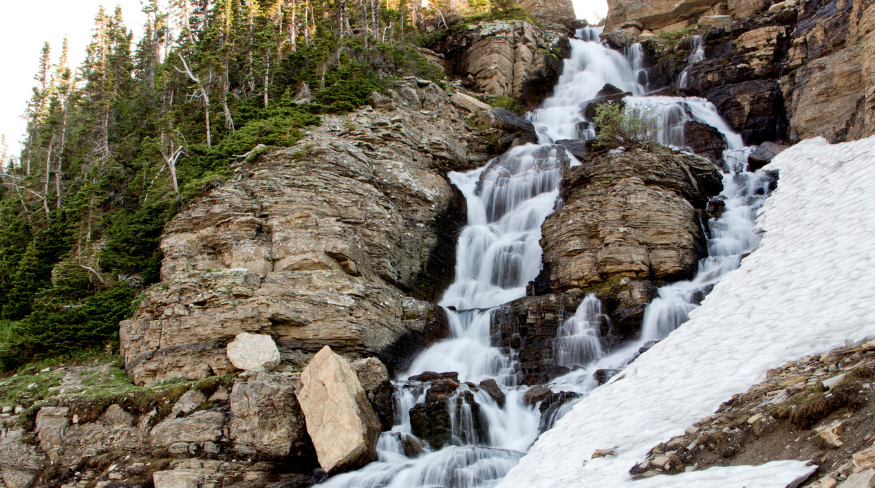
Each year, snowpack builds throughout the winter in northern plains and mountain states. When temperatures rise quickly—or when rain falls on existing snow—the resulting runoff can overwhelm rivers, streams, and drainage systems. While there is no official nationwide ranking of states by snowmelt flood risk (since conditions vary year to year), historical patterns and river basin geography consistently highlight certain states where snowmelt has played a significant role in spring flooding.
- North Dakota—North Dakota is closely associated with snowmelt-driven flooding, particularly along the Red River of the North. Because the river flows northward, snow often melts first in southern areas while northern sections remain frozen. This dynamic can slow drainage and contribute to ice jams and prolonged flooding. The state’s relatively flat terrain also limits how quickly water can disperse once rivers rise.
- Minnesota—Minnesota shares the Red River basin with North Dakota and regularly monitors spring melt conditions. Heavy winter snowfall combined with frozen ground can increase runoff when temperatures climb. In addition to river flooding, localized flooding can occur when smaller waterways and storm drainage systems are unable to handle rapid meltwater.
- Montana—Montana’s mountainous terrain and snow-fed river systems make snowmelt an important seasonal factor. Deep snowpack at higher elevations can release large volumes of water during sustained warm periods. When combined with rainfall, runoff from mountain headwaters can swell rivers and affect downstream communities.
- Idaho—Idaho’s river systems are heavily influenced by mountain snowpack. Rapid warming in late winter or early spring can accelerate melting, especially in higher elevations. In some years, rain-on-snow events amplify runoff, increasing pressure on rivers and reservoirs that support both communities and agriculture.
Why Snowmelt Flooding Is Different
Unlike hurricanes, snowmelt flooding can feel less dramatic, but it is often just as disruptive. It may develop gradually over days or weeks as temperatures climb. In other cases, a sudden warm spell can trigger rapid runoff. Frozen ground can make matters worse, preventing water from soaking into the soil and increasing surface flow.
Importantly, snowmelt flooding doesn’t only affect homes near major rivers. Low-lying properties, homes near creeks, and neighborhoods with poor drainage can all be vulnerable.
Assessing Your Coverage This Spring
Flood risk isn’t limited to coastal or hurricane-prone states. In snow-heavy regions, changing weather patterns and faster spring warmups may increase runoff intensity in some years. Even homeowners outside designated high-risk flood zones can experience water damage from snowmelt.
Standard homeowners insurance policies typically do not cover flood damage. For those living in areas with significant snowpack and seasonal runoff, it may be worth reviewing local flood history and considering whether flood insurance makes sense.
Reach out to a Westwood agent today to discuss your property’s flood exposure and explore coverage options that align with your location and risk profile.
Please note: This article is for general informational and educational purposes only. It does not represent any specific insurance policy and does not modify any provisions, limitations, or exclusions of any current policy.